
How PPE Safety Equipment Is Selected for High-Risk Environments
Key Takeaways
- Risk reviews help match protective gear with specific hazards and worksite exposure levels.
- Environmental factors influence footwear grip, durability, and overall gear performance.
- Comfort and fit help workers follow safety practices during long or demanding shifts.
- Regular inspections and training help maintain protection-reliability and worker awareness.
Introduction
Jobsite risks do not wait for convenient timing, so preparation begins long before work starts. During early planning, teams assess the setting, equipment, and tasks involved, then select PPE safety equipment that fits those exact conditions instead of defaulting to generic protective items. Safety teams also examine task movement, environmental exposure, and worker routines to ensure selected protection matches real site demands.
Understanding Hazard Levels Before Equipment Selection
Reviewing Workplace Risk Conditions
Selecting protective gear begins with studying workplace hazards in detail. Risk assessments examine exposure to chemicals, falling objects, electrical threats, and heat-related dangers. Each hazard demands tailored gear that addresses the specific exposure rather than providing generic coverage.
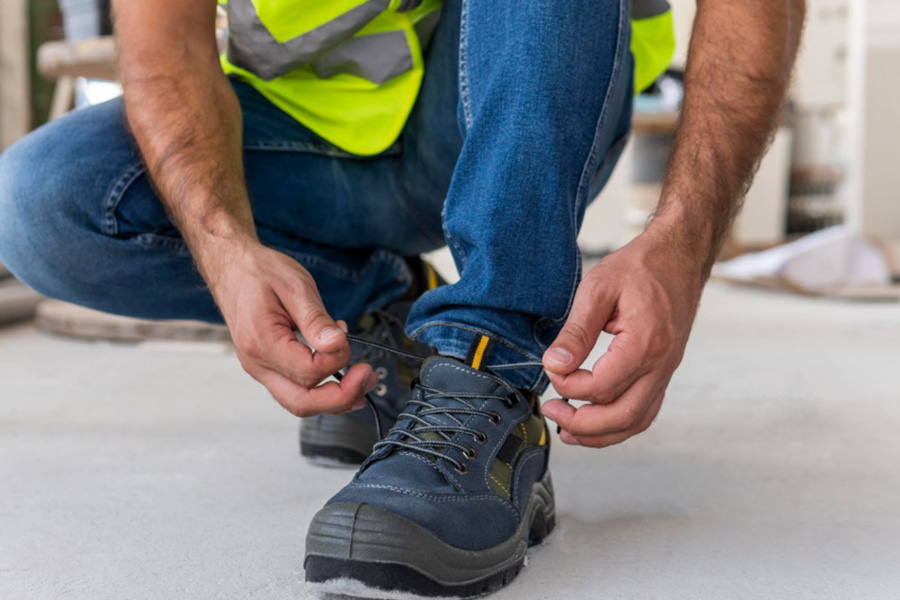
Safety managers regularly evaluate floor conditions and movement requirements when selecting footwear. Protective footwear helps protect workers from compression hazards while maintaining grip during daily movement tasks, with supervisors sometimes selecting King’s safety shoes for these roles.
Analysing Task Frequency and Worker Exposure
Protection needs often vary depending on how frequently workers face hazards. Tasks performed repeatedly may require durable protective gear that withstands constant use. Short-term or specialised tasks may require temporary protective solutions designed for specific hazards.
Evaluation teams typically review job routines to ensure workers receive protection that matches task duration and exposure level, which helps planners compare suitable PPE safety equipment for repeated or high-frequency tasks.
Matching Protective Gear to Environmental Conditions
Considering Weather, Temperature, and Surface Hazards
Worksites exposed to outdoor conditions introduce extra challenges. Handling moisture, heat, and friction becomes critical when teams review how materials perform in changing site conditions. Wet surfaces, uneven terrain, and temperature variation influence how protection gear performs during daily operations.
Footwear selection often focuses on grip strength, ankle support, and material durability. During terrain-heavy tasks such as material transport or scaffold movement, teams measure traction performance and balance control, where features found in King’s safety shoes are commonly assessed.
Addressing Chemical and Mechanical Exposure Risks
Protective clothing and accessories must handle direct contact with harmful substances or mechanical hazards. Selection teams review resistance levels for gloves, helmets, and eye protection when chemical splashes or flying debris are possible.
Monitoring exposure levels helps determine the combination of protective items required to maintain consistent workplace safety.
Balancing Comfort and Safety Compliance
Supporting Worker Movement and Endurance
Protective gear must remain wearable during long shifts. Movement efficiency affects compliance during physically demanding tasks. Equipment that restricts movement or causes discomfort may reduce consistent usage.
Footwear plays a major role in worker endurance because it affects posture, balance, and fatigue over long shifts. Cushioning, fit, and sole design influence how workers cope with repeated walking, standing, and load-bearing tasks throughout the day.
Ensuring Equipment Fits Different Worker Roles
Worksites often involve multiple job roles with different exposure risks. Role-based foot protection decisions depend on task movement, load handling, and surface conditions, which sometimes leads planners to assign King’s safety shoes to workers handling high-mobility or heavy-load tasks. Equipment selection must reflect role-specific hazards rather than issuing identical protective gear to all workers.
Safety planners commonly adjust protection based on mobility, task complexity, and environmental exposure faced by each department. Regular role reviews help confirm protection still matches changing job demands.
Maintaining Equipment Reliability Through Inspection
Reviewing Material Durability and Maintenance Needs
Protective gear must withstand daily wear while maintaining its protective function. Durability plays a major role in replacement planning and consistent protection across demanding work environments, leading teams to evaluate long-lasting PPE safety equipment during procurement. Inspection schedules help teams detect damage, wear, or performance reduction.
Routine inspection helps confirm equipment remains suitable for workplace hazards without introducing unnecessary maintenance complications. Maintenance logs help teams track wear patterns and plan timely replacements.
Supporting Training and Worker Awareness
Training programmes help workers understand correct equipment usage and maintenance procedures. Equipment effectiveness depends on proper wearing methods and routine checks before starting tasks.
Providing guidance helps workers recognise when protective gear needs servicing or replacement, helping supervisors confirm that PPE safety equipment remains suitable during changing work conditions. Short refresher briefings help workers stay confident when using protective gear in changing work conditions.
Conclusion
Selecting protective gear for high-risk environments involves reviewing hazard exposure, environmental conditions, worker comfort, and equipment durability. Careful planning helps safety teams provide practical protection while supporting consistent workplace safety routines.
Contact Ansac Technology today to explore protective equipment solutions that align with your safety planning and help maintain reliable worker protection across demanding environments.