
5 Critical Steps in Medical Device Machining Workflow
Key Takeaways
- Medical device machining requires a structured workflow to meet strict quality and regulatory standards.
- Early-stage design validation reduces costly production errors later.
- Material selection directly impacts performance, safety, and compliance.
- Precision machining processes must maintain tight tolerances consistently.
- Inspection and documentation are essential for traceability and approvals.
Introduction
Medical device machining is a highly controlled process where even minor deviations can lead to product failure or regulatory rejection. Unlike general manufacturing, it involves strict adherence to tolerances, material standards, and documentation requirements. Precision engineering companies in Singapore operate within these constraints by following a structured workflow that ensures every component meets both functional and compliance expectations. Knowing the critical steps involved helps businesses reduce risk, control costs, and maintain consistent product quality.
Step 1: Design Review and Engineering Validation
The workflow begins with a detailed review of the product design. This step ensures that the component can be manufactured efficiently without compromising performance. Engineers assess drawings, tolerances, and material specifications to identify potential issues such as impractical geometries or unrealistic tolerances. Design validation is essential in medical device machining because errors at this stage can lead to rejected batches or non-compliance with medical standards. Precision engineering companies often collaborate closely with clients to refine designs, ensuring they align with machining capabilities while still meeting regulatory and functional requirements.
Step 2: Material Selection and Preparation
Material choice plays a critical role in medical device machining due to strict requirements for biocompatibility, durability, and resistance to corrosion. Common materials include stainless steel, titanium, and specialised medical-grade plastics. Each material behaves differently during machining, affecting cutting speeds, tool wear, and surface finish. That said, before machining begins, raw materials are inspected and prepared to ensure consistency and traceability. Precision engineering companies typically maintain detailed material records, which are necessary for compliance audits and quality assurance processes.
Step 3: Precision Machining and Process Control
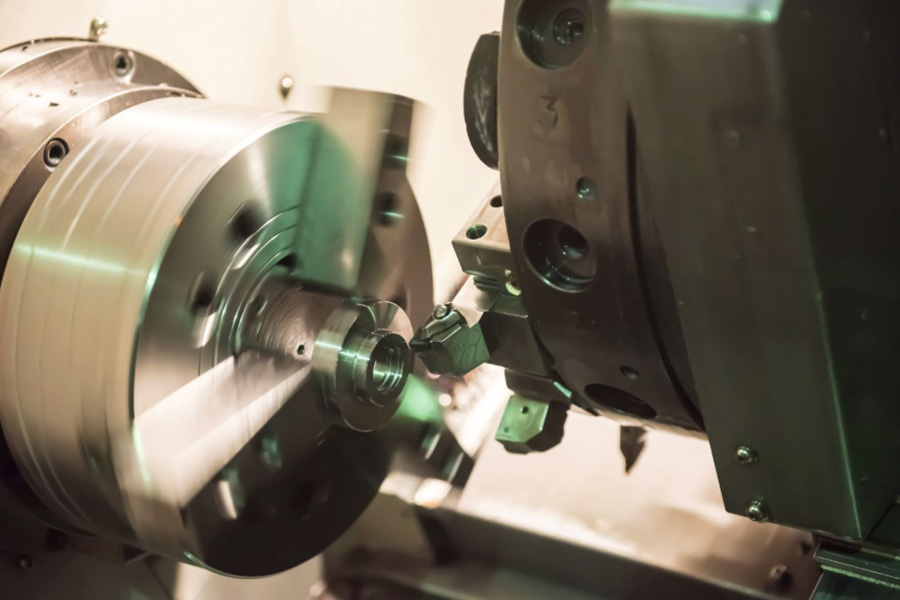
Once materials are prepared, the machining phase begins. This step involves Computer Numerical Control (CNC) turning, milling, or multi-axis machining to produce components with extremely tight tolerances. Medical device machining requires consistent accuracy because even microscopic deviations can affect device performance or patient safety. Process control is critical during this stage. Machine parameters such as speed, feed rate, and tool selection are carefully monitored and adjusted to maintain precision. Advanced equipment and skilled operators ensure that each component is produced according to exact specifications. Precision engineering companies invest heavily in high-accuracy machinery to maintain this level of consistency across production runs.
Step 4: Surface Finishing and Cleaning
After machining, components undergo surface finishing to achieve the required smoothness and functional characteristics. Surface quality in medical device machining is particularly important as it affects hygiene, wear resistance, and compatibility with the human body. Processes such as polishing, passivation, or coating may be applied depending on the device requirements. Cleaning is also a critical part of this step, as any residue or contamination can compromise product safety. Components are often cleaned in controlled environments to remove oils, particles, and machining debris. Precision engineering companies follow strict cleaning protocols to ensure that finished parts meet medical-grade standards.
Step 5: Inspection, Testing, and Documentation
The final step involves comprehensive inspection and testing to verify that all specifications have been met. This phase includes dimensional checks using precision measuring equipment, as well as functional testing where applicable. Inspection in medical device machining is not just about quality control but also regulatory compliance. Detailed documentation is created to provide traceability for every component, including material certificates, machining parameters, and inspection results. Precision engineering companies place strong emphasis on this step, as proper documentation is required for audits and approvals before devices can enter the market.
Conclusion
A well-defined workflow is essential in medical device machining to ensure safety, compliance, and performance. From design validation to final inspection, each step contributes to the overall quality of the finished product. Precision engineering companies rely on structured processes and strict controls to deliver components that meet demanding medical standards. Understanding these steps provides clarity for businesses on what to expect from a machining partner and highlights the importance of choosing a provider capable of maintaining consistency across every stage of production.
Contact Disk Precision Group and get your medical device machining project reviewed before it reaches production.