
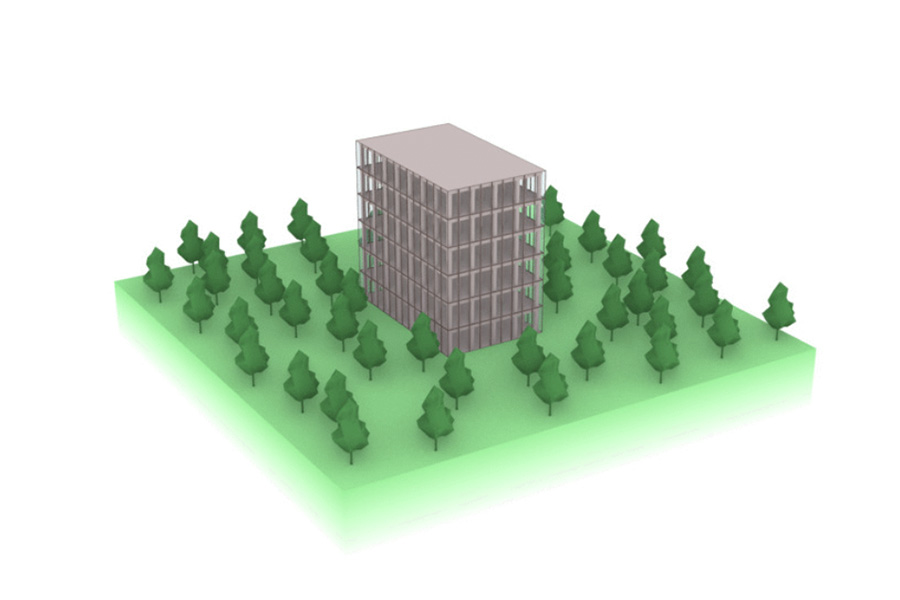
The Rise of Low-Carbon Buildings
The construction industry is undergoing a major transformation as demand for sustainable building materials continues to rise. The global market for eco-friendly construction materials is projected to reach $610 billion by 2029, growing at an annual rate of 11.6%. As environmental concerns and regulatory requirements increase, practices such as building carbon analysis are becoming essential for evaluating and reducing the environmental impact of construction projects. Despite the proven economic and environmental benefits of sustainable materials, awareness and adoption still have significant room for growth.
Many next-generation building materials offer longer life cycles, reduced waste generation, and improved energy efficiency while this generation strives for net zero buildings. By incorporating innovative materials that undergo rigorous environmental testing, the construction sector can address longstanding sustainability challenges while meeting modern expectations for performance, durability, and cost-effectiveness.
Why Use Eco-Friendly Building Materials?
The future of construction depends on innovation in building materials and technologies. As digital tools and sustainability initiatives continue to evolve, the industry is increasingly focused on developing and improving materials that reduce environmental impact while enhancing building performance.
Eco-friendly building materials support environmental goals by lowering dependence on fossil fuels, reducing carbon emissions, and promoting resource efficiency. They also contribute to social benefits such as healthier indoor environments and improved community well-being.
Whether constructing new developments or restoring existing structures, sustainable materials help minimize environmental footprints while creating resilient, energy-efficient, and future-ready buildings.
12 Next-Generation Materials for Green Construction
As renewable energy adoption increases, sustainable construction practices are becoming a priority across the building industry. Material selection now plays a critical role throughout a project’s life cycle, from design and construction to maintenance and eventual reuse. The following innovative materials are helping reduce environmental impact while supporting healthier and more sustainable built environments.
3D-Printed Construction Parts
3D printing, also known as additive manufacturing, creates structures by depositing layers of materials such as concrete, metals, or polymers based on digital designs. This advanced construction method enables faster project completion, minimizes material waste, and allows for the creation of complex architectural forms.
The technology is increasingly being used to construct homes, offices, and commercial buildings while improving efficiency and reducing overall resource consumption.
Self-Healing Concrete
Self-healing concrete is an innovative material designed to repair cracks automatically. It contains specialized bacteria that activate when moisture enters a crack. These microorganisms consume nutrients and produce calcium carbonate, effectively sealing the damaged area.
This technology enhances structural durability, reduces maintenance costs, and supports sustainable construction by extending the lifespan of buildings and infrastructure.
Recycled Steel
Recycled steel is one of the most effective sustainable building materials available today. Reusing steel significantly reduces energy consumption compared to manufacturing new steel from raw materials, helping lower both costs and carbon emissions.
Its strength, durability, and recyclability make it a key component of the circular economy, supporting resource conservation and environmentally responsible construction.
Hempcrete
Hempcrete is a bio-based composite material made from hemp fibers, lime, and water. Although it is not load-bearing, it provides exceptional thermal insulation and moisture regulation.
This lightweight material improves indoor air quality, enhances energy efficiency, and helps prevent mold and mildew growth by allowing moisture to move naturally through building assemblies.
Engineered Timber
Engineered timber is manufactured by bonding layers of wood together to create strong, stable structural components. It retains the natural benefits of wood while offering improved consistency, dimensional stability, and design flexibility.
Compared to traditional lumber, engineered timber reduces material waste and provides a renewable alternative for modern sustainable construction projects.
Graphene
Graphene is an advanced carbon-based material known for its exceptional strength, flexibility, and lightweight properties. It has the potential to revolutionize construction by enhancing the performance of concrete and other building materials.
Applications include increasing crack resistance, improving moisture protection, strengthening structural components, and enhancing insulation performance in coatings and finishes.
Geopolymer Concrete
Traditional concrete production is a major contributor to global carbon emissions. Geopolymer concrete offers a more sustainable alternative by utilizing industrial byproducts such as fly ash and slag instead of conventional cement.
This innovative material helps reduce waste, lowers greenhouse gas emissions, improves durability, and contributes to more energy-efficient construction practices.
Biochar
Biochar is a carbon-rich material produced by heating organic waste materials in a low-oxygen environment. Researchers are exploring its use as a sustainable construction material due to its ability to improve insulation performance, regulate moisture, and enhance indoor air quality.
Its carbon-sequestering properties also make it a promising solution for reducing the environmental impact of buildings.
Bamboo
Bamboo is one of the fastest-growing renewable building materials in the world. Its impressive strength-to-weight ratio makes it suitable for a wide range of structural and architectural applications.
In addition to its sustainability benefits, bamboo offers excellent durability and versatility for roofing, wall systems, flooring, and structural support elements.
Earth
Earth-based construction methods have been used for centuries and continue to offer significant environmental and economic advantages. Techniques such as adobe, rammed earth, compressed earth blocks, and cob utilize locally sourced materials, reducing transportation emissions and resource extraction.
Earth structures provide excellent thermal performance, energy efficiency, and indoor air quality while supporting sustainable building practices.
Straw Bales
Straw bale construction utilizes agricultural byproducts to create highly insulated building envelopes. These materials help regulate indoor temperatures, reducing heating and cooling demands throughout the year.
Affordable, durable, and adaptable to various climates, straw bale construction offers a sustainable alternative for environmentally conscious building projects.
Cork
Cork is harvested from cork oak trees without causing damage to the tree, making it a highly renewable and sustainable material. It provides excellent thermal and acoustic insulation while offering natural fire resistance.
Its versatility allows it to be used in flooring, wall systems, insulation boards, and interior finishes, making it a valuable component of green building design.
The Rise of Low-Carbon Buildings
Ensuring sustainability in construction is essential for reducing environmental impact, conserving natural resources, and promoting long-term ecological balance. Sustainable building materials and construction practices play a critical role in lowering carbon emissions, improving energy efficiency, and creating healthier indoor environments.
As the industry continues to embrace innovation, low-carbon buildings will become increasingly important in achieving environmental goals and supporting sustainable economic growth. By adopting next-generation materials and conducting thorough building carbon analysis throughout a project’s life cycle, construction professionals can create resilient, efficient, and environmentally responsible buildings that benefit both current and future generations.