
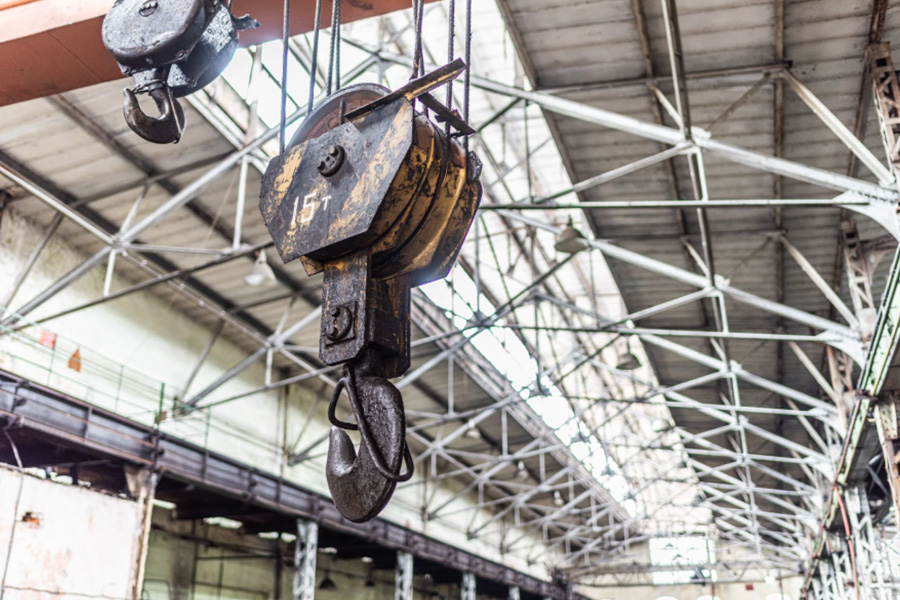
What Is a Hoist Crane? A Complete Guide for Industrial Applications
Key Takeaways
- A hoist crane serves as the primary mechanical tool for lifting and lowering heavy loads vertically using a drum or lift wheel.
- Industrial facilities utilise a monorail crane to move materials along a fixed, overhead path to enhance floor space efficiency.
- Regular maintenance and adherence to safety protocols ensure the long-term reliability and operational safety of lifting equipment.
Introduction
Nowadays, industrial operations require the constant, secure, and accurate movement of heavy materials to maintain high production standards. A hoist crane represents the mechanical intersection of power and control, providing the necessary torque to lift massive components that manual labour cannot handle. These systems consist of a hoisting mechanism and a supporting structure that allows for the safe suspension of the load. In factories and warehouses across the region, these machines streamline production lines by reducing physical strain on workers and accelerating the movement of goods between different stages of manufacturing. Facility managers can select the most appropriate tool for their unique operational requirements when they understand the specific components and configurations of these systems.
The Functional Core of Hoisting Systems
At every lifting operation, the hoisting unit determines the maximum capacity and speed of the vertical movement. An electric hoist crane typically uses either a wire rope or a load chain to connect the motor to the hook. Wire rope hoists often handle higher capacities and offer smoother lifting for delicate items, whereas chain hoists provide a more compact and cost-effective solution for lighter industrial tasks. The motor drives a series of gears that rotate the drum or sprocket, providing the mechanical advantage needed to overcome gravity. Modern units incorporate limit switches and overload protection to prevent the machine from exceeding its rated capacity, ensuring that the equipment remains within safe operating parameters at all times.
The integration of a trolley enables the hoist to move horizontally along a beam, which transforms a simple vertical lifter into a versatile piece of material handling equipment. When a facility requires a dedicated path for transporting items from one workstation to another, a monorail crane provides an ideal solution. This system consists of a single stationary beam that guides the trolley through a predetermined route. Companies like Shin Guan often install these systems in assembly lines or painting booths where a consistent, linear flow of materials is necessary. By elevating the transport path, the system keeps the floor area clear for other activities, significantly improving the overall safety and throughput of the workspace.
Selecting the Right Configuration for the Workspace
Choosing the appropriate lifting system requires a detailed assessment of the facility’s architectural constraints and the nature of the loads. A monorail crane excels in environments with limited floor space or where the ceiling height allows for an unobstructed overhead track. These systems can include curved tracks and switches to navigate around existing machinery, providing a flexible yet fixed path for repetitive tasks. Because the track remains stationary, the installation process focuses on the structural integrity of the ceiling or the supporting pillars. Seeking professional advice from experienced providers such as Shin Guan helps ensure that the chosen beam profile can support both the weight of the hoist and the maximum intended load.
In larger workshops that require broader coverage, a hoist crane may sit on a bridge that travels along parallel runways. This bridge crane configuration enables the operator to reach any point within a rectangular area, offering more freedom than a fixed monorail. However, for smaller operations or specific production cells, the simplicity of a monorail remains a practical and cost-effective choice. Maintenance teams must inspect the tracks, trolleys, and hoisting cables regularly to identify wear and tear. Ensuring that the wheels remain aligned and the cables remain free of kinks or fraying prevents sudden mechanical failures that could lead to costly downtime or workplace accidents.
5 Essential Safety and Maintenance Checklist
To maintain the operational integrity of your lifting equipment, follow a structured inspection and maintenance routine:
Daily Pre-Operational Checks –
Operators should inspect the hook, latch, and controls for visible damage before beginning a shift.
Lubrication of Moving Parts –
Regularly apply the correct grade of oil or grease to the chains, wire ropes, and trolley wheels.
Load Testing –
Conduct annual load tests to verify that the system can still handle its rated capacity safely.
Electrical System Review –
Examine the pendant cables and power supply for signs of wear or exposed wiring.
Brake Inspection –
Ensure the braking system stops the load immediately without slipping or excessive noise.
Conclusion
The successful implementation of a hoist crane or a monorail crane drastically improves the efficiency of industrial material handling. By understanding the mechanical differences between various hoisting units and their supporting structures, businesses can create a safer and more productive environment. Whether you require the broad coverage of a bridge crane or the specialised path of a monorail, selecting the right equipment ensures that your facility operates smoothly. Regular maintenance and professional inspections remain the most effective ways to protect your investment and your workforce. Investing in the right technology today provides a foundation for more reliable and streamlined operations in the future.
Streamline your industrial lifting today. Contact Shin Guan to discuss the most efficient hoisting solutions for your facility.